
Receiving More Talents
The focus on the Holy Spirit in this liturgy, and the profound symbolism of the parable of the talents and of the Good Shepherd, make it an enriching experience for any priest, especially those of the Latin Church, whose understanding of priesthood can be deepened by the similarities and contrasts of the respective ordination rites.
St Augustine: Priest as Sinner
Augustine interprets Jesus’ insistence against Peter’s objection to having him wash his feet as a divine instruction against both clerical pride and blindness to personal sin. Peter’s reply that Jesus should wash not only his feet, but his whole body, along with Christ’s response that the apostle has already been washed (a reference to baptism), offers Augustine another opportunity to remind the Donatists that forgiveness of sins is possible in the Church even after baptism, and even for bishops!
Forth in the Strength of Christ
“Do you judge them to be worthy?” is the question asked by the ordaining Bishop during the Rite of Ordination to the priesthood. When Archbishop Augustine Di Noia, O.P. put that question to my Prior Provincial on the day of my priestly ordination, it struck me that no man about to be ordained would answer that question affirmatively of himself. He knows too well his own unworthiness. But the words of the Archbishop in his homily that day have stayed with me: “Brothers, despite all the strains of this ministry you must have strength because of the strength of Christ. You must not waver.”
"Who are you, O priest of Jesus Christ?"
"What do you want to be when you grow up?" We sometimes ask children. Most children don't really know, nevertheless that's the right question to ask. The wrong question to ask is, "what do you want to do when you grow up?" This is simply because who you are is infinitely more valuable and important than what you do. Although we must be honest, the two things are inextricably linked. "Who are you, O priest of Jesus Christ?" That is the question we must contemplate and ask ourselves frequently before ordination and continuously afterwards, and a question those of us not ordained might ask of our priests in order to encourage them.
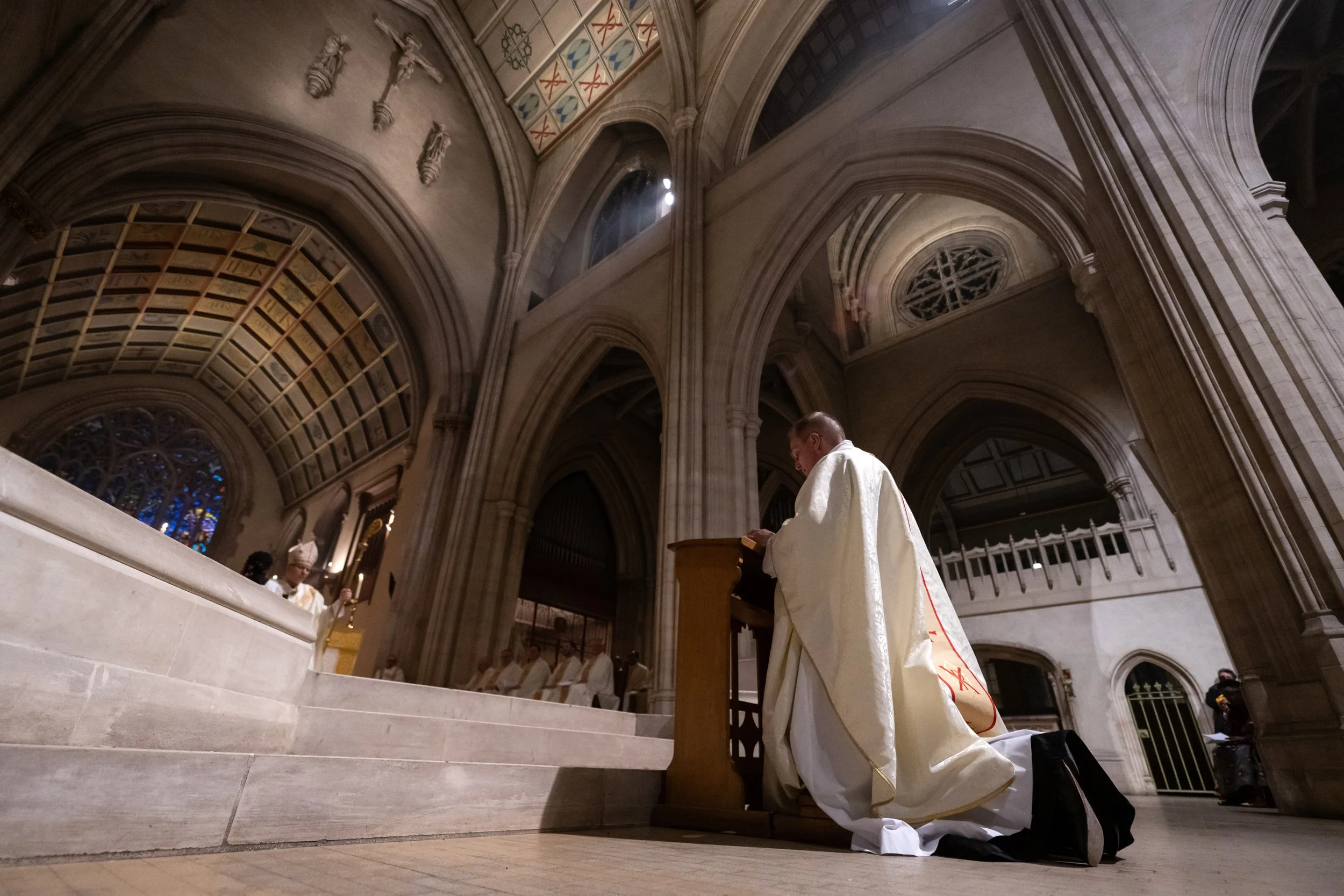
To Priests – On Prayer
On Friday of the first week of Ordinary Time, just after Christmas, the Church gives us in the Office of Readings a passage from Athanasius’s Oratio contra gentes. This text is normally dated to his first exile, spent in Northern Germany, in Trier. Athanasius was ousted from his see of Alexandria after seven years as bishop. His defence of Catholic doctrine about the nature of Jesus Christ as defined at Nicaea, as true God and true man, ‘God from God, Light from Light’, had become unpalatable to many of his brother bishops, seduced by Arian doctrine. They had Athanasius packed off as far away as possible, probably hoping he would never return home. We need to remember this context to seize the full impact of his words.
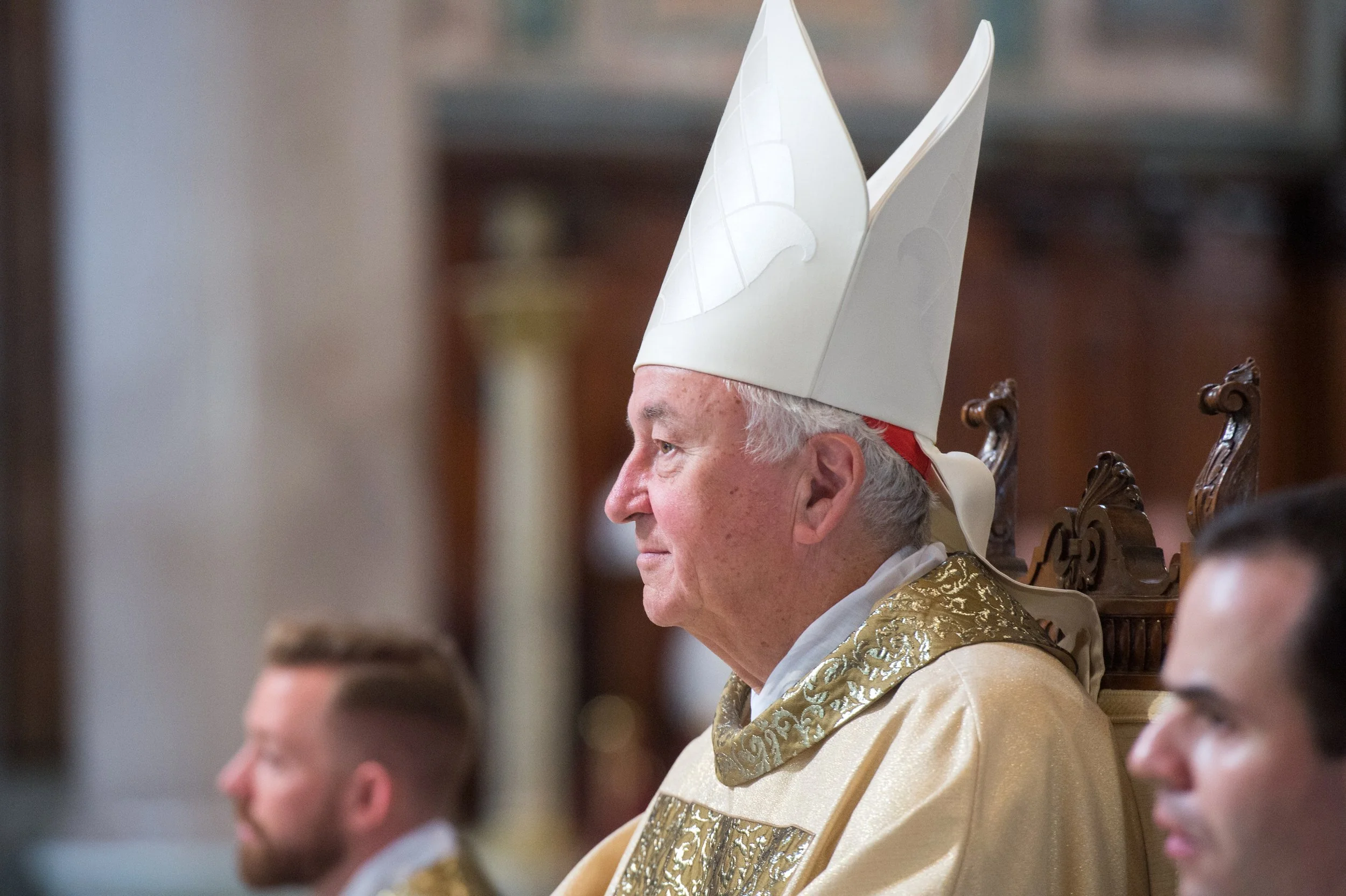
Passion, Realism, Seeing the Good, and Resilience
Without a passionate heart, priesthood can either be, or can quickly become, a thing of routine and duty. The first focus of this passion will be love of the Lord. But it may have other and diverse focal points, arising from a wonder at life, at its potential, at its beauty. It might be, as it was for me, initially about education and the challenge of understanding more about life and motivating people (and myself) to enter more deeply into so many themes and wonders. It might be about justice and a burning desire to ‘put things right’. It might be about truth and the intellectual quest for deeper knowledge. It might be about history, or beauty, or drama or poetry or even mathematics!
Consecrated for Sacrifice
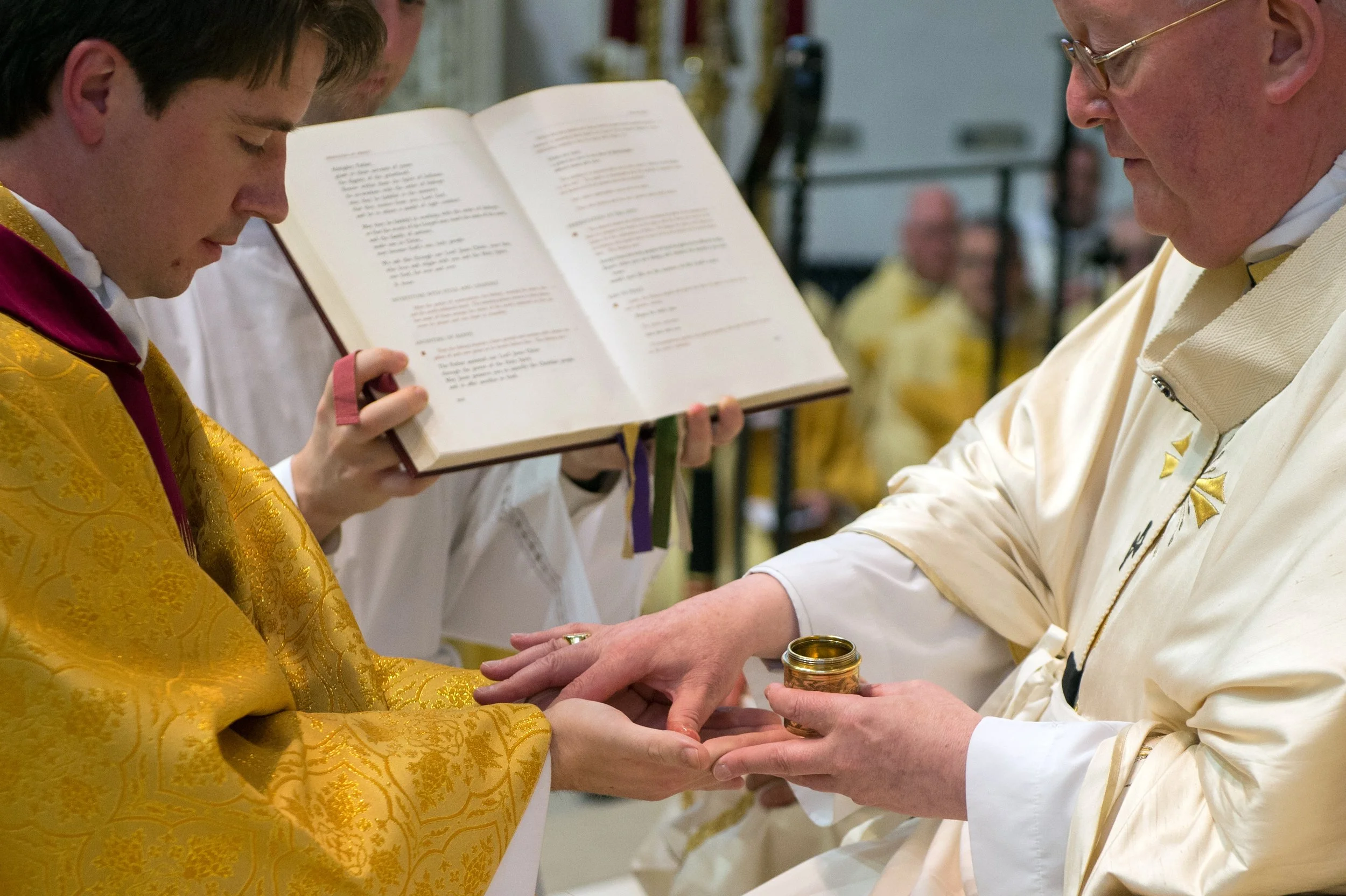
At his ordination to the priesthood, the newly ordained kneels before the bishop, who anoints the priest’s hands with the Oil of Sacred Chrism. Customarily olive oil bound with resinous balsam, this anointing represents something of an imparting of the Cross of Christ—the principal sign of Christian sacrifice—which the Fathers of the Church often describe as being hewn from an olive tree. This liquefied form of the Cross is smeared onto the palms of the newly ordained as a sign of his perpetual and eternal consecration, not simply as an ecclesiastical functionary, but as a priest; that is, as one set apart—himself consecrated—for the offering of sacrifice. Indeed, this is why his hands are anointed, for it is in them that he will hold the very bread of life and the chalice of salvation.
Christ Playing in Ten Thousand Places
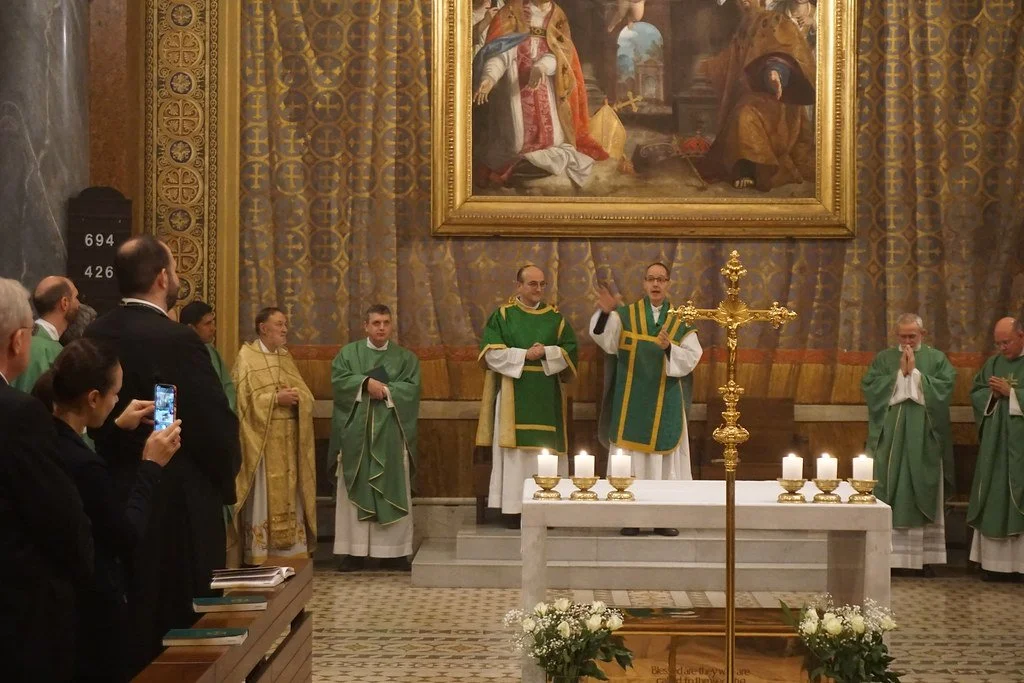
On the one hand, every priest, indeed every Christian, is meant to point away from himself. It’s not about me, it’s about him, Jesus Christ, and his Holy Church. It’s about grace, as St Paul says in his very first word to the Church in Corinth: “Grace to you and peace from God our Father and the Lord Jesus Christ”. It’s about the faith of the Church and not about my strengths or weaknesses. Remember the words of the Mass: “Look not on our sins but on the faith of your Church”.
My First Triduum
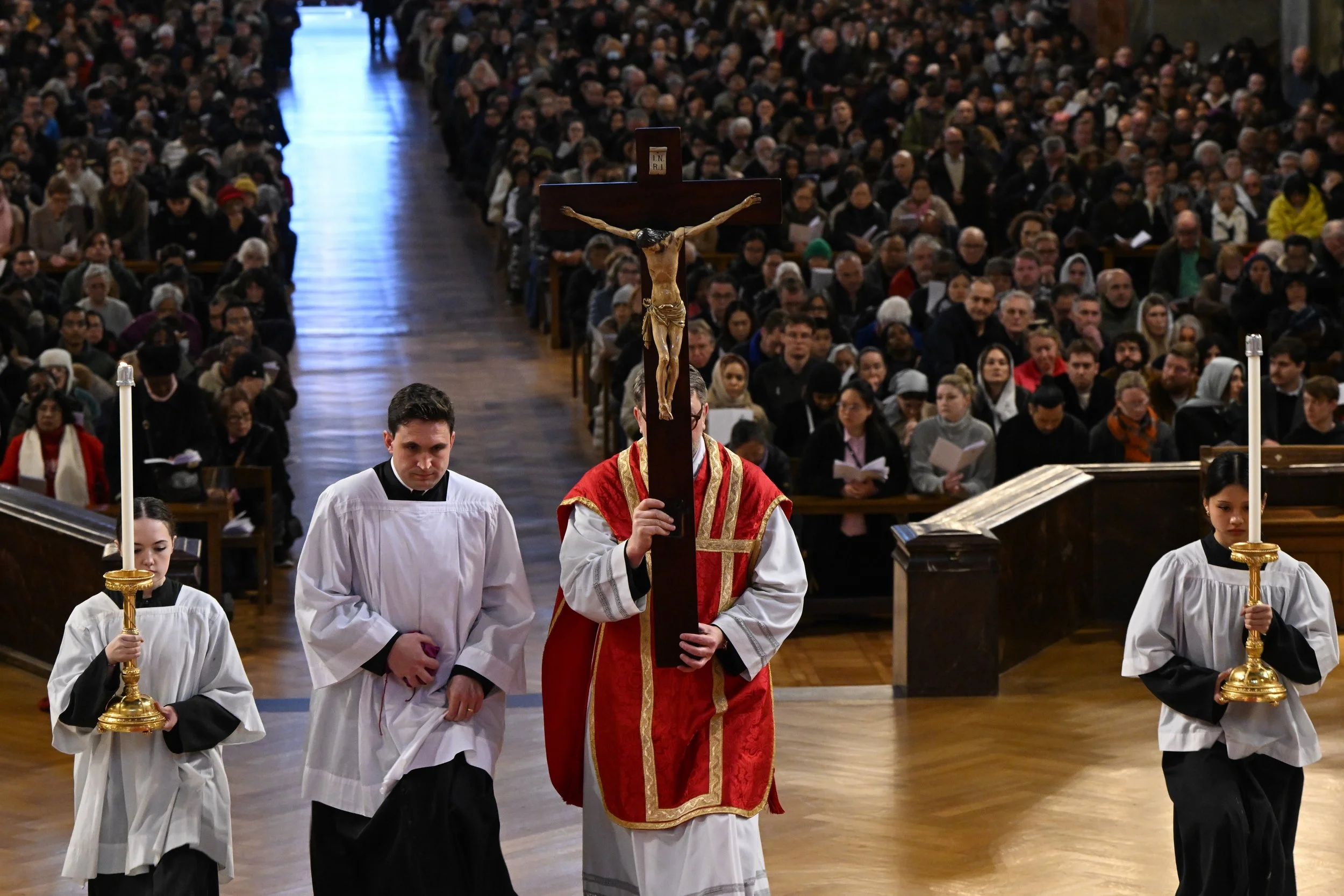
In an age before electricity, household prayers would often accompany the first lighting of a lamp or candle in the evening. The Lucernarium that begins the Easter Vigil is thus the remnant, and a liturgically magnificent one, of a practice that took place every day in houses, looked on by little children, as habitual a practice as making the sign of the Cross, or praying over a meal. A friend who remembers it still happening during her childhood in rural Scandinavia says her mother would allow twilight to finish, and darkness to fall, before bringing the house back to life with the first lit candle.
Saint Gregory Nazianzen on the Priesthood
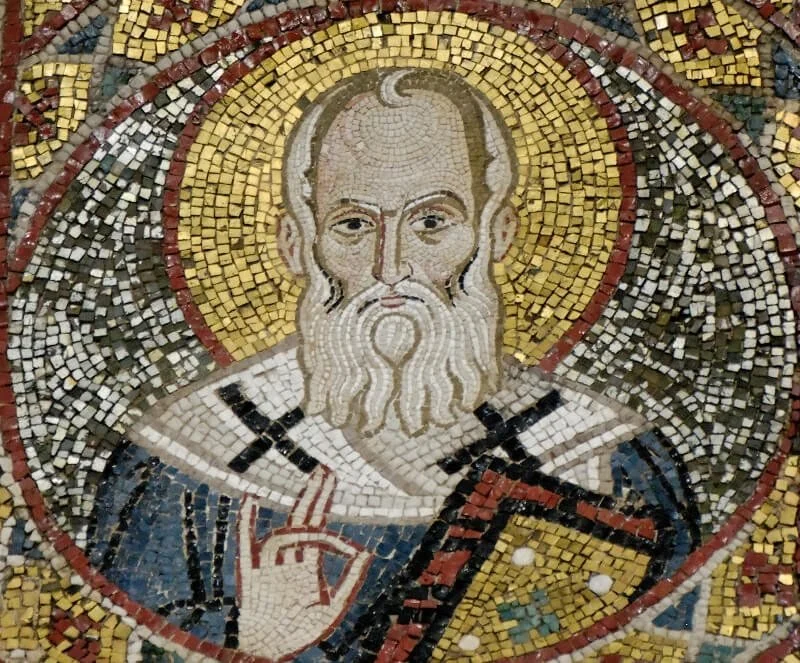
Saint Gregory Nazianzen is one of the great doctors of the Church, and a figure of particular importance for priests. Those familiar with Saint John Vianney (the patron saint of priests, known in part for the fact that he fled from his ministry on several occasions) will find a similar spirit in Gregory. He, too, ran away from his priestly responsibilities more than once, and it is precisely after his first flight that he returned and wrote what has become one of the most significant texts in the history of priestly spirituality: his Second Oration, composed in 362 AD. It is that text which forms the subject of this article.