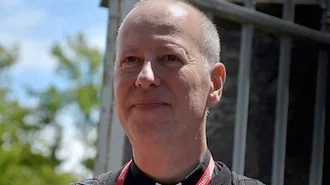
‘Committed to Growing as Disciples of Jesus’
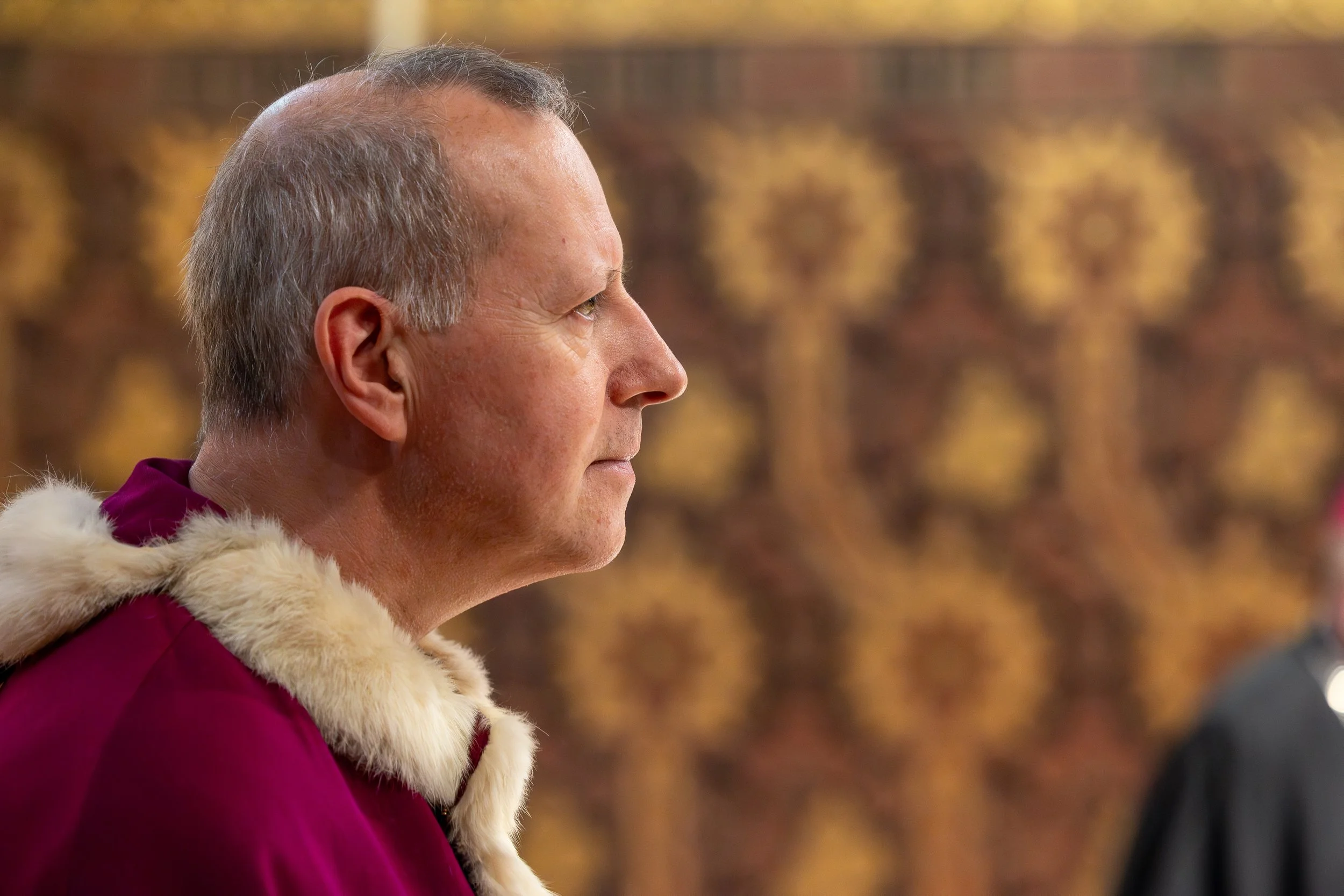
© Catholic Archdiocese of Birmingham
As the Rector of St Mary’s College, Oscott, Birmingham’s Archdiocesan Seminary, Canon Michael Dolman has a special insight into priestly formation and vocational discernment. We asked him some questions about how he approaches his task of forming the next generation of priests. Here’s what he had to say:
In your experience, what is drawing men to the priesthood today? Have you noticed any particular patterns or changes in recent years?
There is much that is unchanged about the things that attract men to serve as priests of Jesus Christ, but in our own time I observe a strong link between men’s attraction to the Catholic Faith and their consequent response to God’s call to ministerial priesthood. In Western Europe, as culture moves away from a lived Christian faith to a life based upon secular philosophies and ideologies, people find it increasingly difficult to find meaning and purpose, hope, fulfilment and happiness in their lives. The return to Catholic faith and men’s interest in the Catholic priesthood springs from a desire to find a secure foundation for life, a challenging and authentic vision for life, and a reliable source of hope and a fulfilment for life and culture.
At a personal level there is a renewed desire for identity, intimacy with God, and meaningful life and mission. In the person of Jesus Christ, men discover the authentic revelation of manhood and through faith in Jesus they are able to enter into a deep filial relationship with God the Father in which they can be genuinely transformed to become the man they know they should be. Within these relationships, men identify in a deep way with Jesus the Good Shepherd. In a wholehearted way, they desire to help others to come to know and love him too. Men see the priest as the one who, in Jesus, brings people into relationship with God and who also brings God into people’s lives. This is done in so many different ways: Through his pastoral charity, his preaching of the Gospel and his teaching of the Catholic Faith, the celebration of the sacraments, and through his spiritual fatherhood and his enabling of the many members of Christ’s body to fulfil the Church’s mission. Men are drawn to this rich and profound work of Jesus in which they sense that they are part of something so much greater than themselves and through which they make a significant and lasting difference in the lives of people.
What qualities are you and your team most attentive to when discerning whether a man is suitable for and called to the priesthood? What are the signs of a genuine vocation?
In discerning whether a man is suitable for priesthood, attention is given to a set of deeply integrated qualities that may be summed up in five ways. First and foremost is that the man has a living, personal relationship with the God the Father, Son, and Holy Spirit, evidenced by a commitment to prayer as the foundation of life. Secondly, to be a disciple of Jesus requires maturity of character and a true interior freedom: the capacity to act not from fear, compulsion, or ideology, but from love of Jesus having a genuine openness to God’s will. A man must show signs of openness to conversion of life, demonstrating that he understands discipleship as a lifelong journey. He should also possess the ability to communicate the Gospel in a way that is both faithful and engaging, rooted in personal encounter rather than abstraction. Finally, there must be the beginnings of missionary leadership—a pastoral heart, a desire to serve, and the ability to relate well with others. Signs of a genuine vocation are rooted in those qualities that belong to every Christian. They include a spirit of joy grounded in communion with God, emotional and spiritual openness, the desire to grow in virtue, and a willingness to give oneself generously for the sake of the Kingdom.
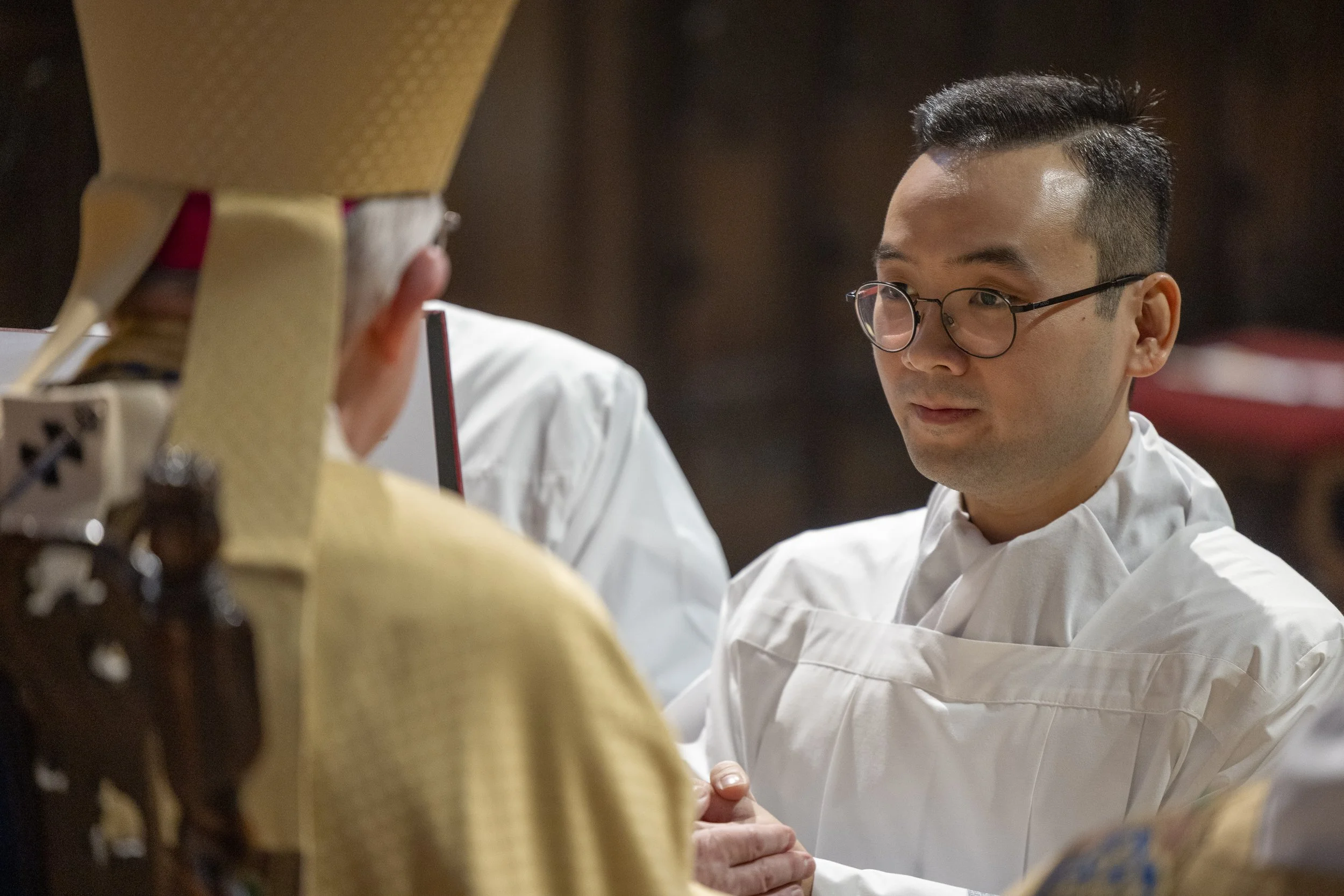
© St Mary’s College, Oscott
The demands on priests are becoming greater. As a seminary rector, how do you form men so that they don’t become ‘functionaries’, but remain deeply rooted in their identity as priests?
In forming men for priesthood, the central task is to ensure that they remain rooted in their identity as sons of God the Father and shepherds after the heart of Jesus. It is essential that our identity precedes activity: the priest’s effectiveness in ministry flows from who he is, not simply what he does. Formation therefore prioritises a deep life of prayer, ensuring that the relationship with God becomes the “wellspring” of all ministry. This includes not only liturgical prayer but also personal engagement with Sacred Scripture and a cultivated habit of listening to the Lord. Attention to human, spiritual, intellectual, and pastoral formation are integrated so that the man grows as a whole person. These different areas of formation enable seminarians to know themselves well and to accept their strengths and their weaknesses with humility and patience. Bringing this self-knowledge to Jesus through prayerful reflection, the celebration of the sacraments, and in conversation with those who accompany him in the work of formation, the seminarian learns to act from communion with God rather than from mere obligation or efficiency.
What sustains a priest in the long term? How can men be prepared for lives of joy and fidelity in ministry?
What sustains a priest in the long term is this same integration of life in God. A deep, living relationship with the Trinity provides the foundation for stability, joy, and resilience. As a lifelong disciple of Jesus, the priest recognises that he is always learning and growing, that he is called to be faithful and to humbly depend upon God’s grace each day. It is important for him to accept that he may not be successful in the eyes of the world, but if he unites himself with Christ each day, his endeavours for the God’s Kingdom will bear fruit in the fullness of time. Our true joy as priests is not superficial but arises from a growing gratitude for communion with God, it is a joy that remains even in difficulty. Priests are sustained by a disciplined rule of life that includes prayer, fasting, and ongoing conversion, as well as by the support of priestly fraternity, friendships, and spiritual accompaniment. Initial formation in the seminary prepares men for fidelity by helping them to develop interior freedom, self-knowledge, and the habits necessary for perseverance. If priests can rely increasingly on Christ as their foundation, more so than on external supports, they will be able to embrace the lifelong vocational journey of sanctification with hope in every season.
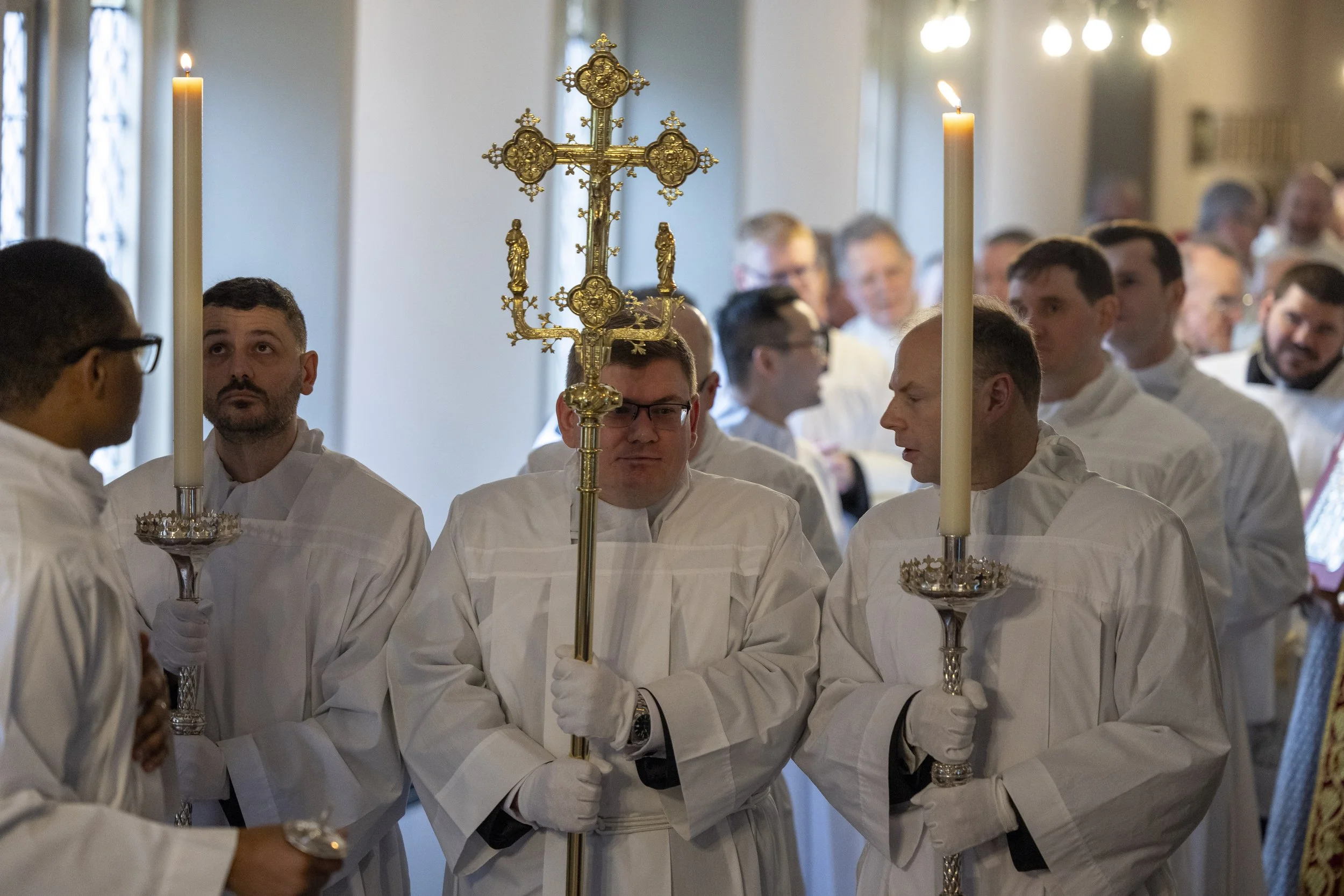
© St Mary’s College, Oscott
Is there anything that has surprised you about being a seminary rector? How has it shaped your own priesthood?
Every assignment that I have been given through the years of my priesthood has helped to shape and enrich my priesthood. Of course, our human nature is a constant source of surprise and living in a community of formation staff and seminarians, I am regularly surprised by the diversity of personality and character and the ways in which these are manifested through different circumstances. Living in this context has helped me to grow in gratitude, patience and acceptance of others whose behaviour I don’t immediately understand. I have a deepening awareness that whilst there are fundamental qualities and skills that belong to the diocesan priest, these are mediated through each man in a unique way. The complexity of the human person means that formation for the priesthood cannot be approached as a ‘one size fits all’ but needs to be carefully cultivated over time, through lived experience and ongoing conversion.
Is there a particular book or magisterial document that is very important to you as a priest?
There are several key magisterial documents that are important to me in understanding the diocesan priesthood and informing our approach to priestly formation today. Presbyterorum Ordinis presents the priest as sacramentally configured to Christ and serving within the People of God. It frames priesthood in relational, pastoral terms—teaching, sanctifying, and governing in communion with the bishop. Pastores Dabo Vobis deepens this by defining priestly identity through participation in Christ’s life and mission and articulating the fourfold formation that we are familiar with in seminary today (i.e. human, spiritual, intellectual, pastoral formation). Ratio Fundamentalis Institutionis Sacerdotalis translates that vision into current practice. It emphasises the importance of psychological maturity, missionary outreach, and pastoral closeness. These are key traits for priests ministering in secular, pluralistic Western societies today. I have always found the Directory for the Ministry and Life of Priests a very helpful and practical document which focuses on the lived reality of diocesan priesthood: daily prayer, celibacy, obedience, and pastoral charity. It reflects the expectation that priests balance sacramental identity with practical parish leadership and ongoing formation. Finally, The Priest Is Not His Own written by Fulton Sheen, provides a good spiritual synthesis, portraying the priest as united to Christ’s sacrifice. It reinforces the vital interior dimension of a priest’s life where self-gift and holiness are worked out. This text provides a thorough spiritual underpinning for the external demands described in the Church’s official teaching.
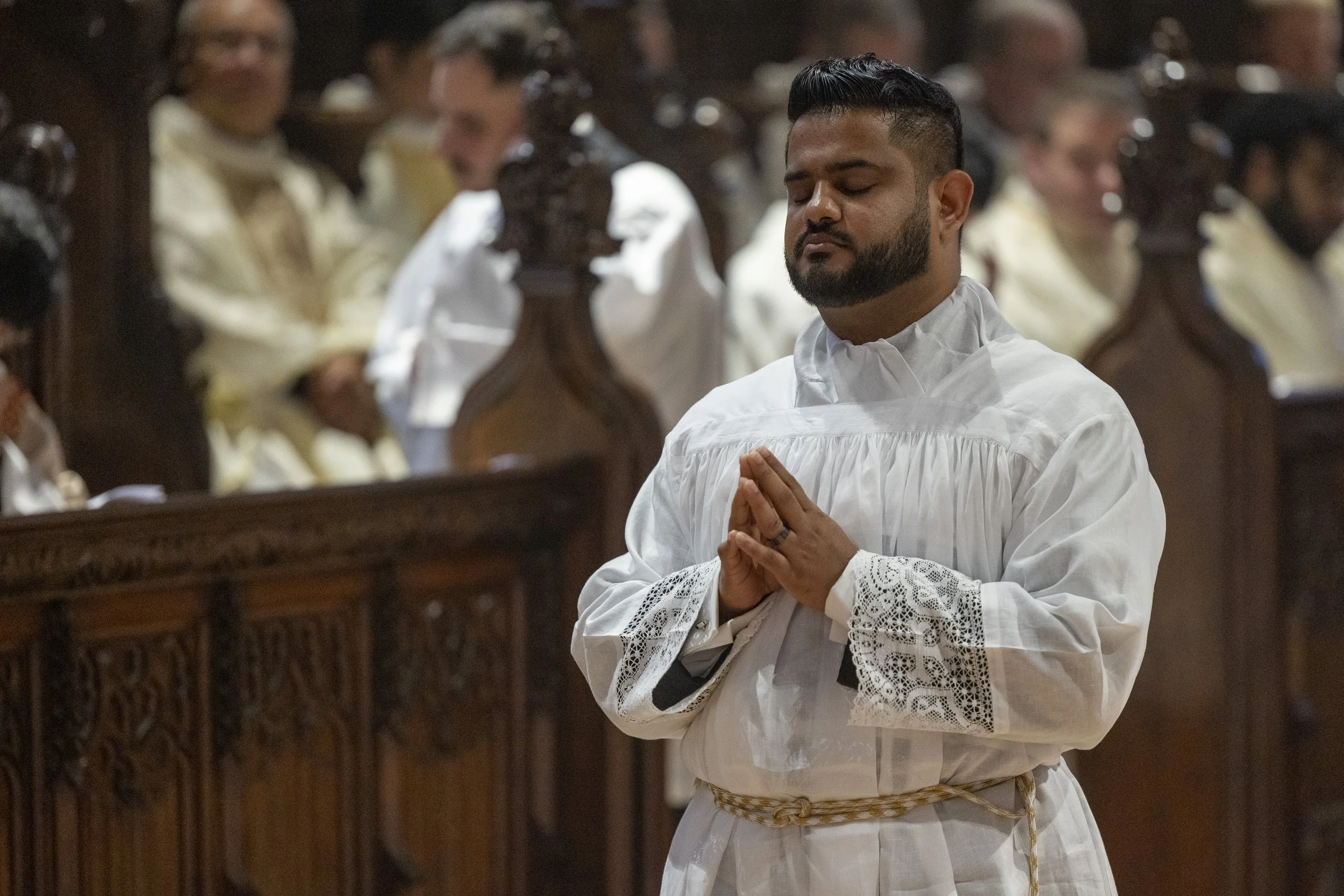
© St Mary’s College, Oscott
What kind of priests does the Church need for the next 10-20 years? What gives you hope when you consider the men coming through your seminary?
Looking to the future, the Church will need priests who are deeply rooted in God, interiorly free, and committed lifelong disciples. They must be capable evangelists, able to communicate the Gospel with clarity and conviction in a rapidly changing culture, and missionary leaders who can guide communities with wisdom, vision, and compassion. Such priests will need resilience and adaptability, grounded not in mere human strength but in faith and virtue. They must be self-aware, collaborative, and capable of forming others for mission, recognising that the work of evangelisation belongs to the whole Church.
I am encouraged by the men who are currently in the seminary community. They are authentic in their manner and committed to growing as disciples of Jesus. They are men of our time and are aware of the challenges and difficulties faced by the Church in our culture but their faith in Jesus and their hope for the mission of the Church is strong. As with every generation of priests they are blessed with a variety of gifts which they strive to place at the service of the gospel and they show humility and patience in striving to work on those skills which do not come naturally to them. I hope that their example now as seminarians and as priests in the future, will be a witness to other young men who may be considering a call to the priesthood.